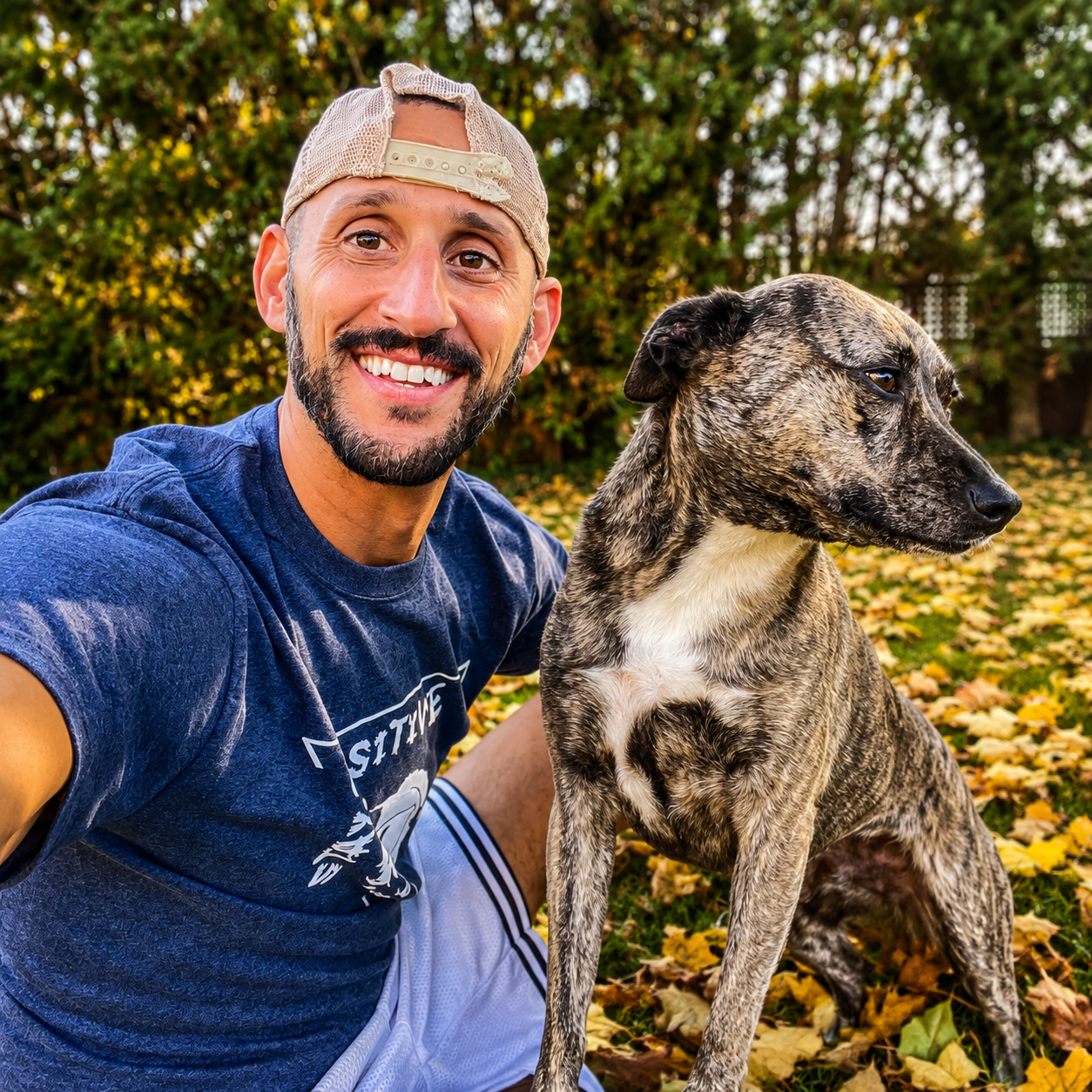
FROM THE FOUNDER
Why Syracuse
Recreation & Rescue
Exists
Animal Welfare,reimagined.
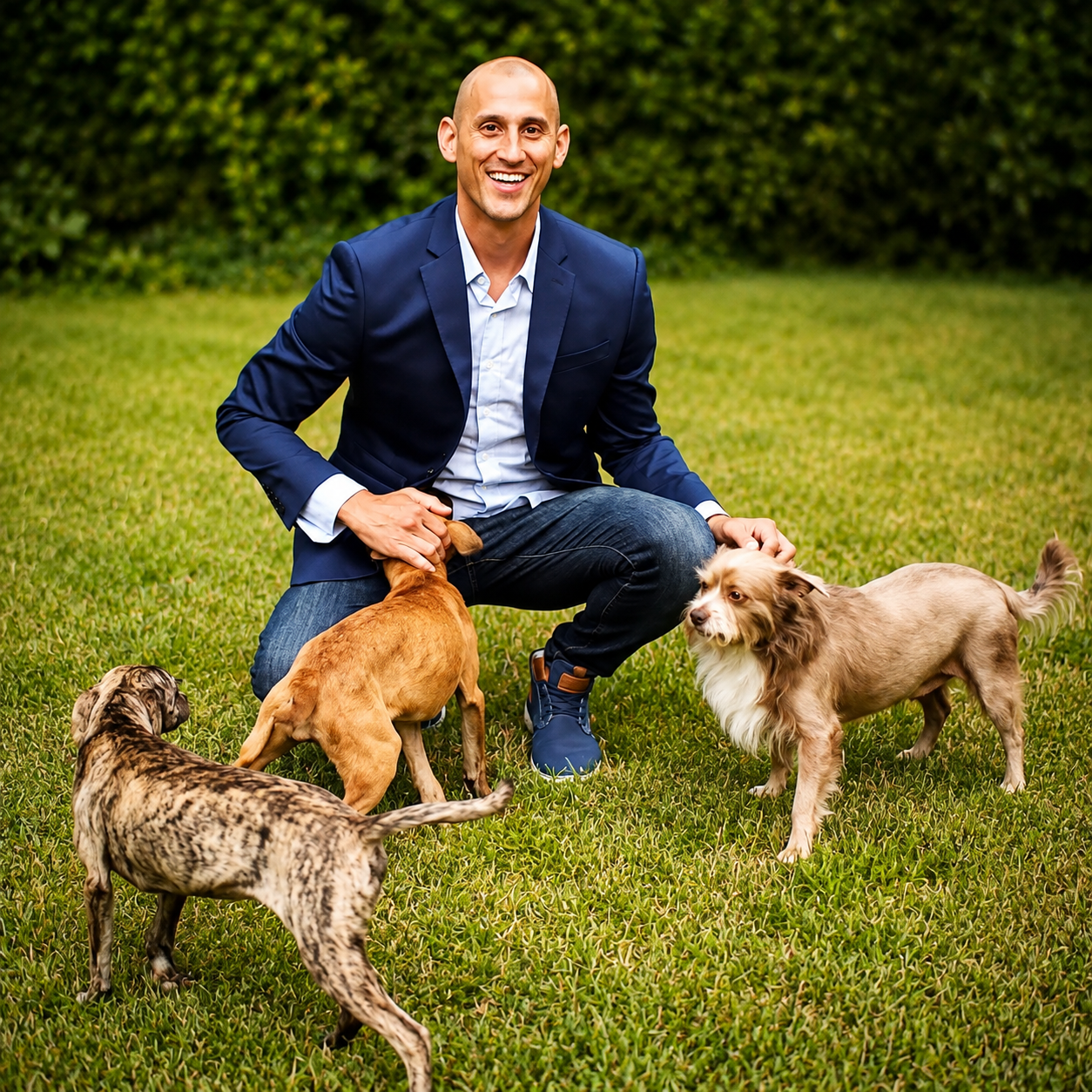
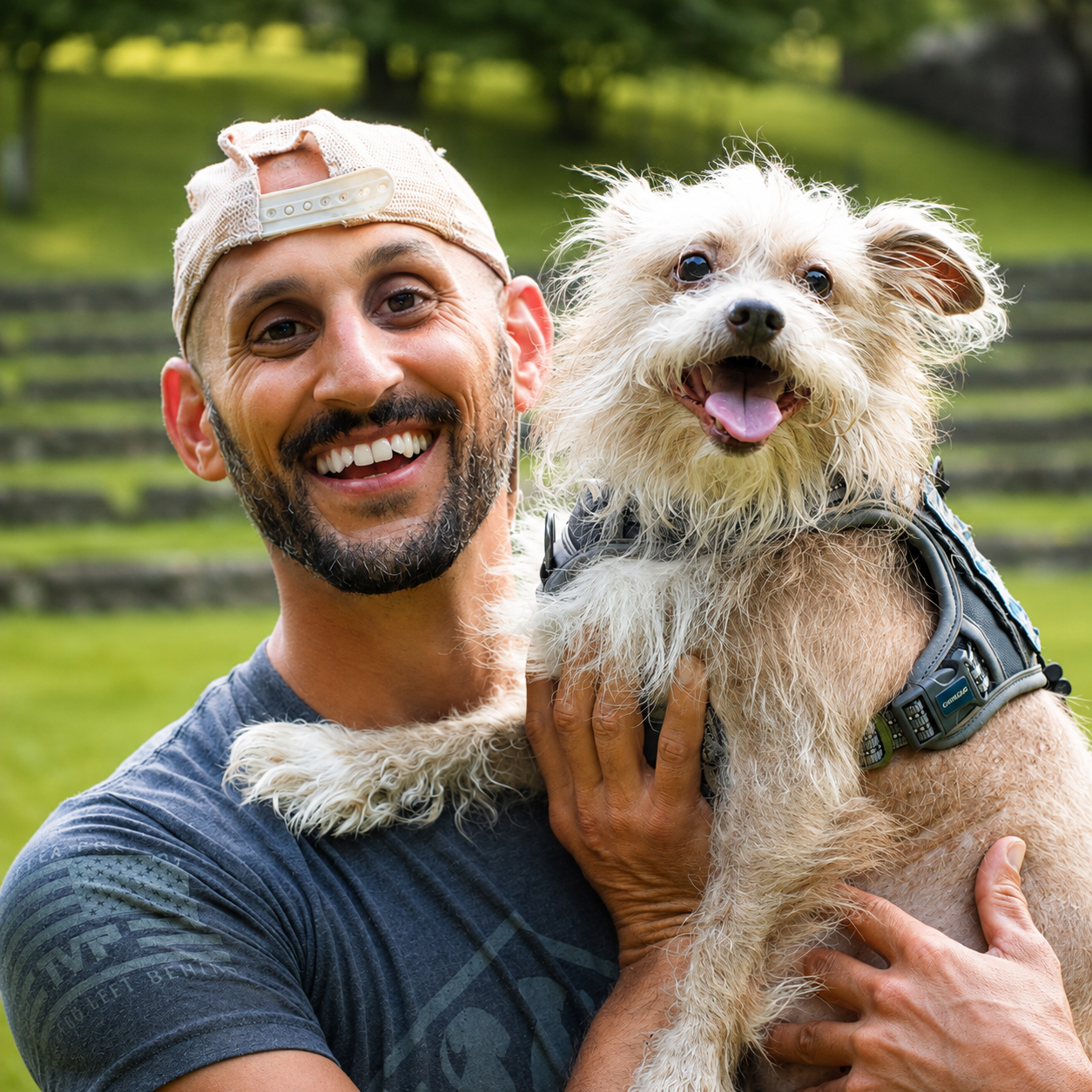
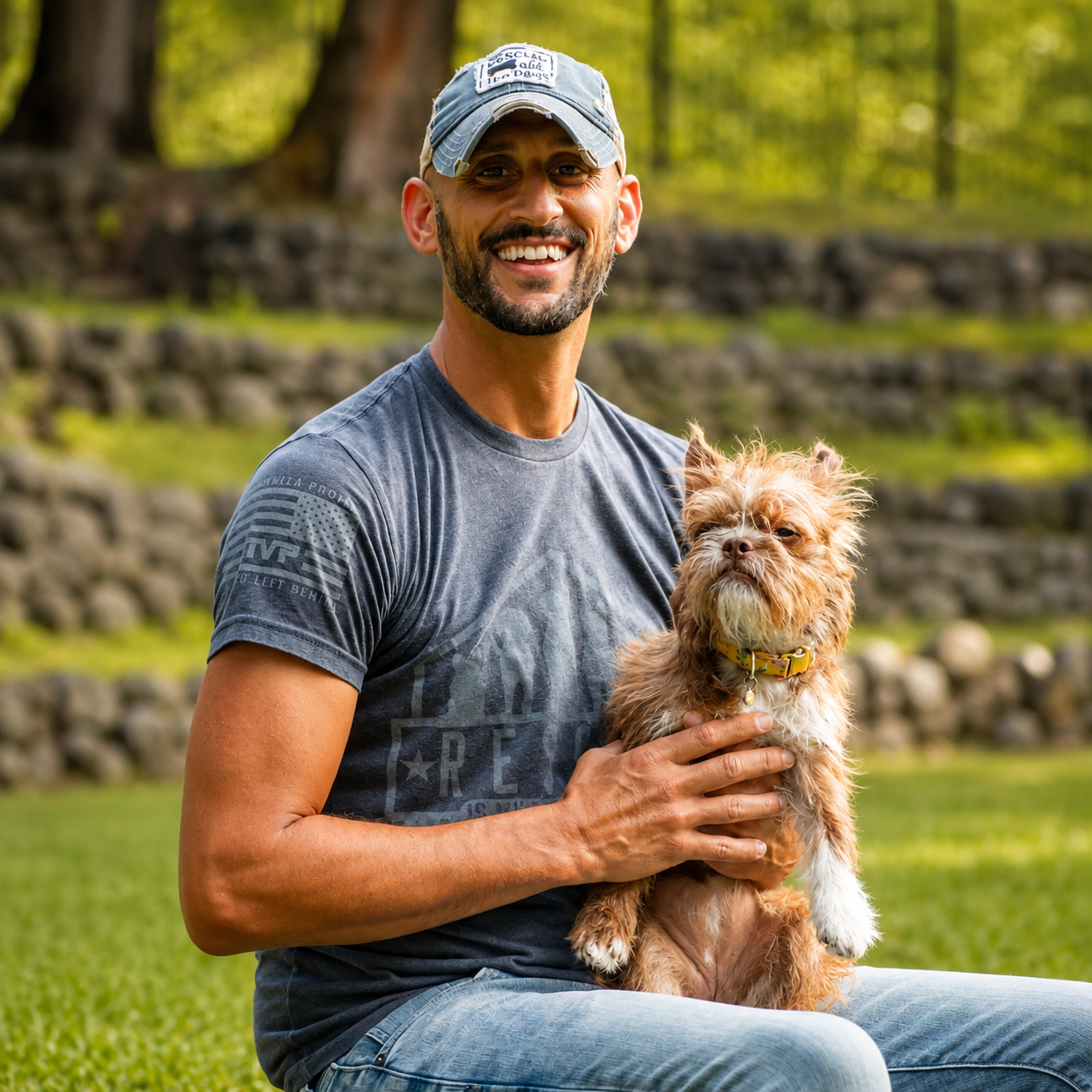
Joseph Torrillo · Founder
The following is a more comprehensive and technical history of Syracuse Recreation & Rescue - for those that find the additional details helpful in engaging with the organization. Importantly, we are still in the formation stages but animals need help now and can't wait. We are launching informally to move support forward with the help of official non-profit fiscal sponsors and other partners. Thank you for joining us in this movement and for your understanding and patience while we take this first step.
Syracuse Recreation & Rescue has a few guiding principals. Animals do better when they are visible, people do better when animals are part of community life, and resources go further when we work together and solve problems before they become emergencies.
SRR is an approach to animal welfare that considers improvements to animal rescue alongside the benefits of preventative services, accessible veterinary care, recreational programs, advocacy and strategic partnerships. Instead of attempting to solve problems in a silo, SRR puts communication and collaboration at the core of the business plan in order to place animals in high-visibility environments and create natural opportunities for engagement, enrichment, adoption and support. The outcome is intended to serve people and animals alike.
The idea has been years in the making.
Origin
A different path to animal welfare
Joseph has nearly 20 years of professional experience spanning technology, digital growth, risk management, sales, strategy and community service. Much of his career was spent helping build and scale an online platform that combined search visibility with risk-management strategy.
Those disciplines—identifying systemic risk, increasing visibility, measuring outcomes, building partnerships and designing scalable solutions—would eventually become unexpectedly relevant to animal welfare.
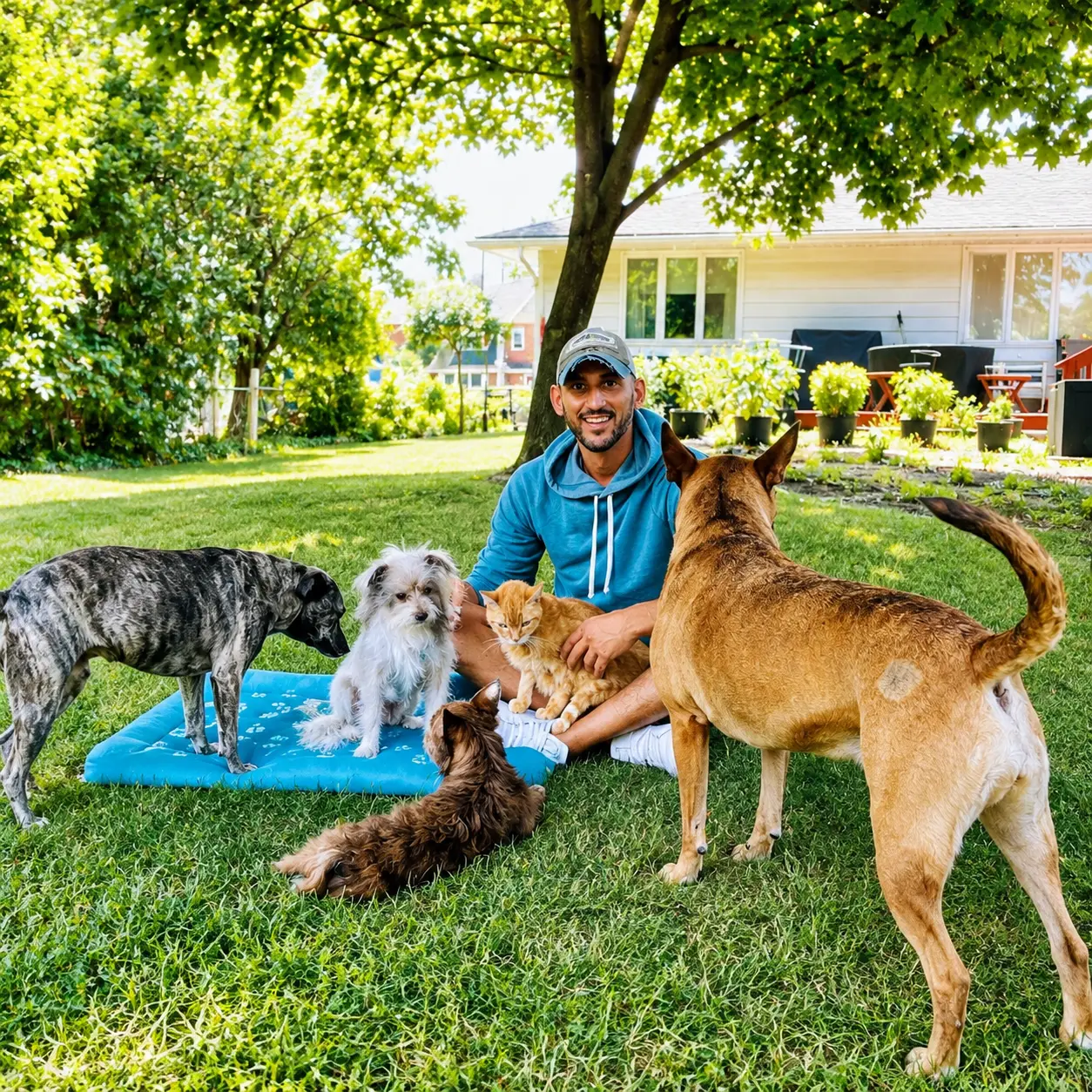
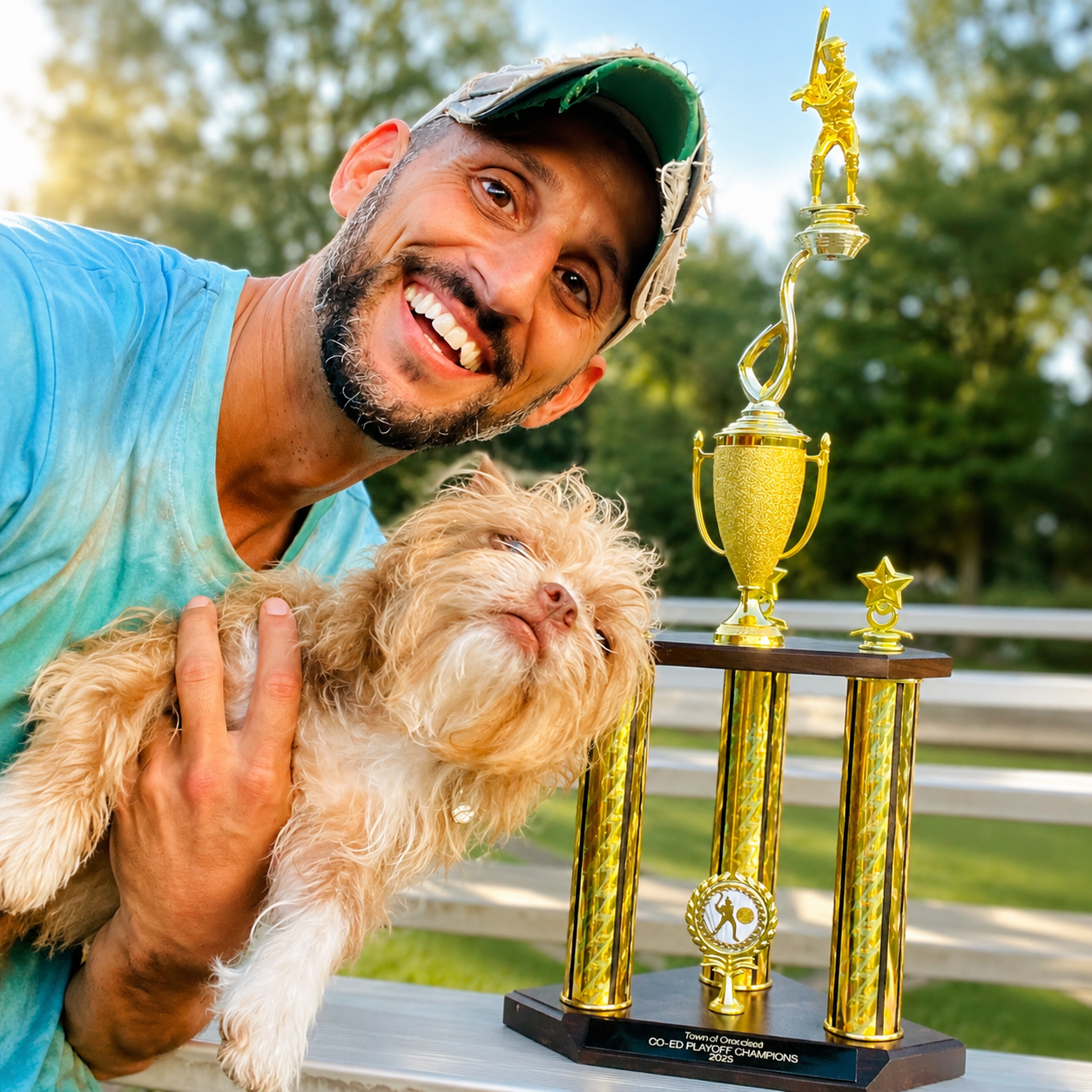
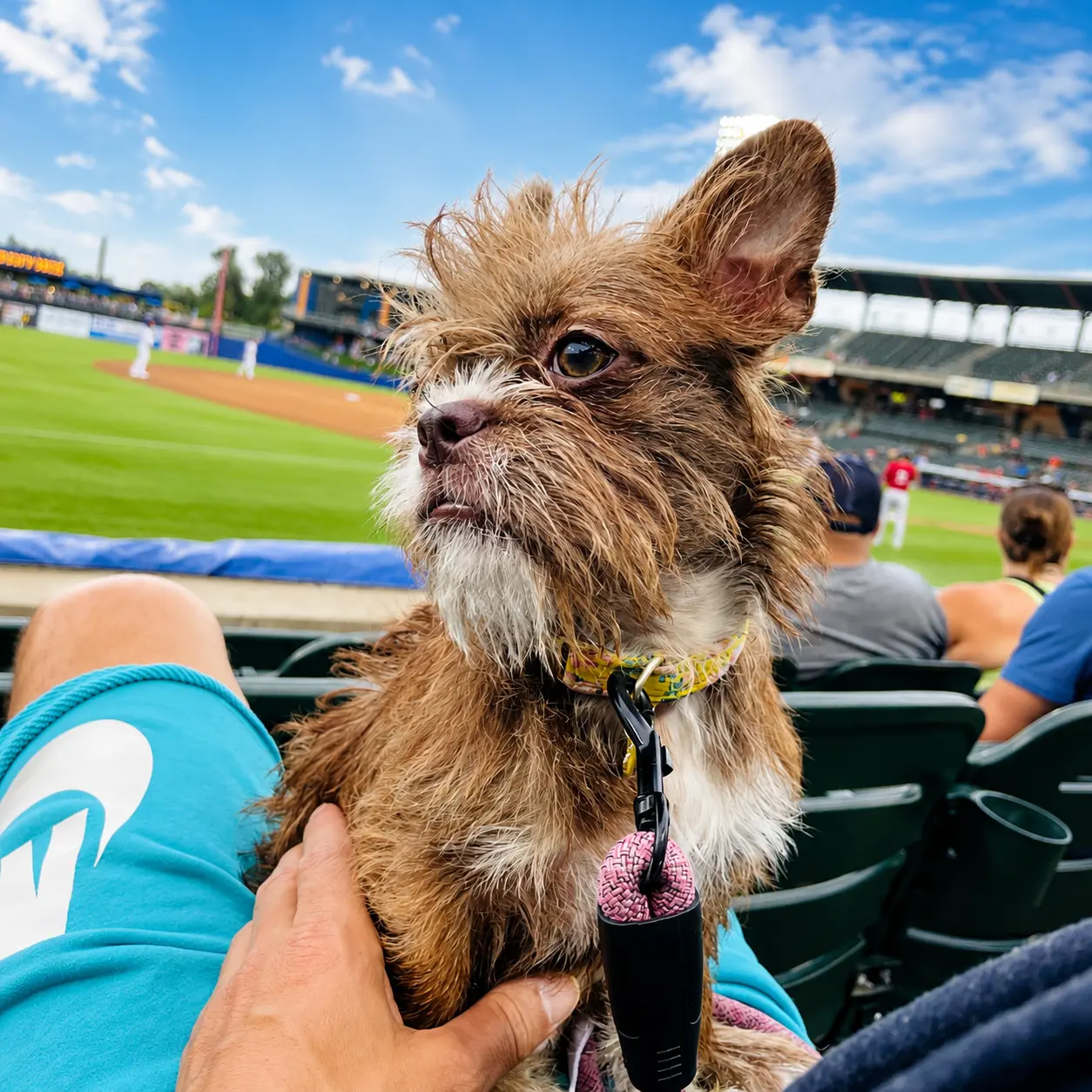
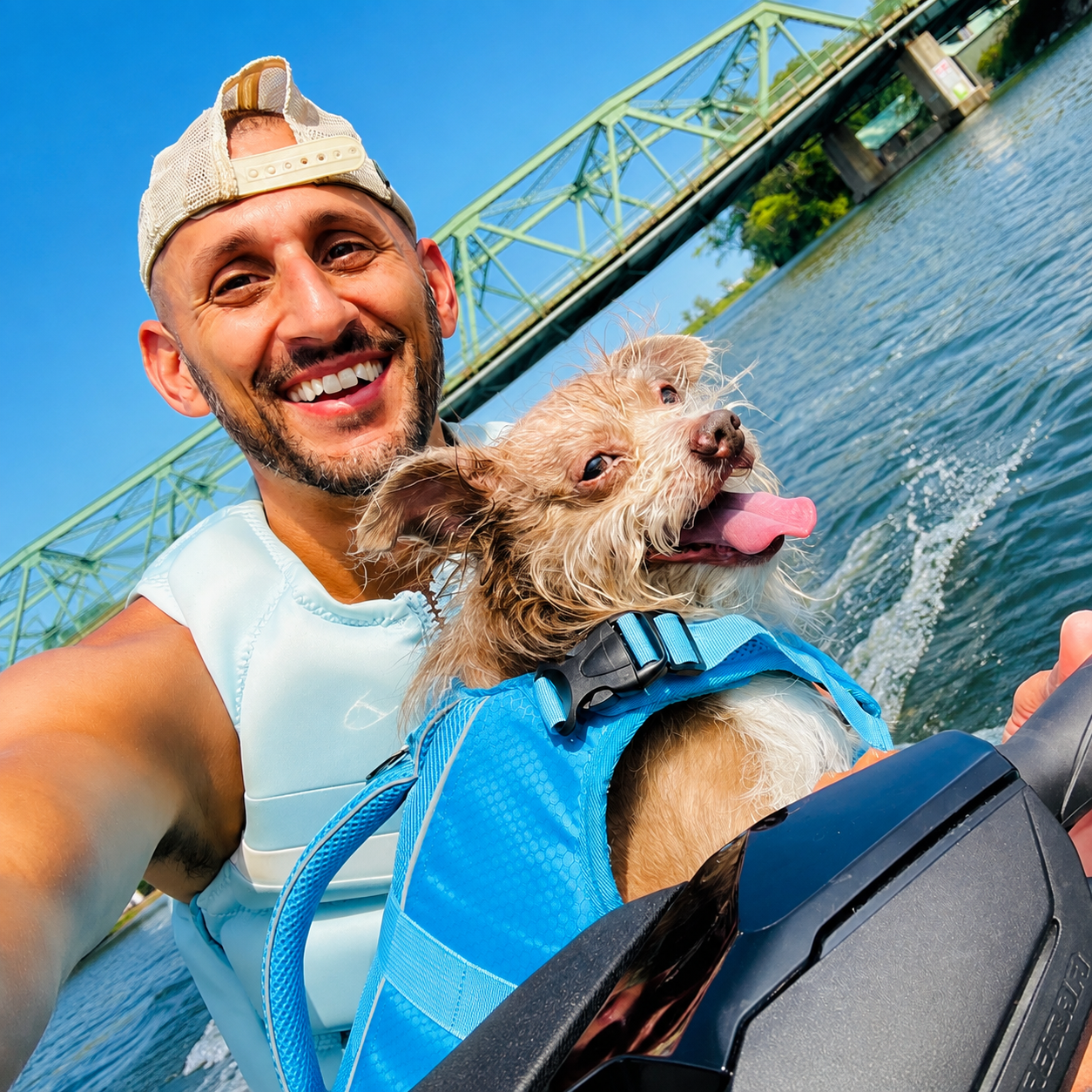
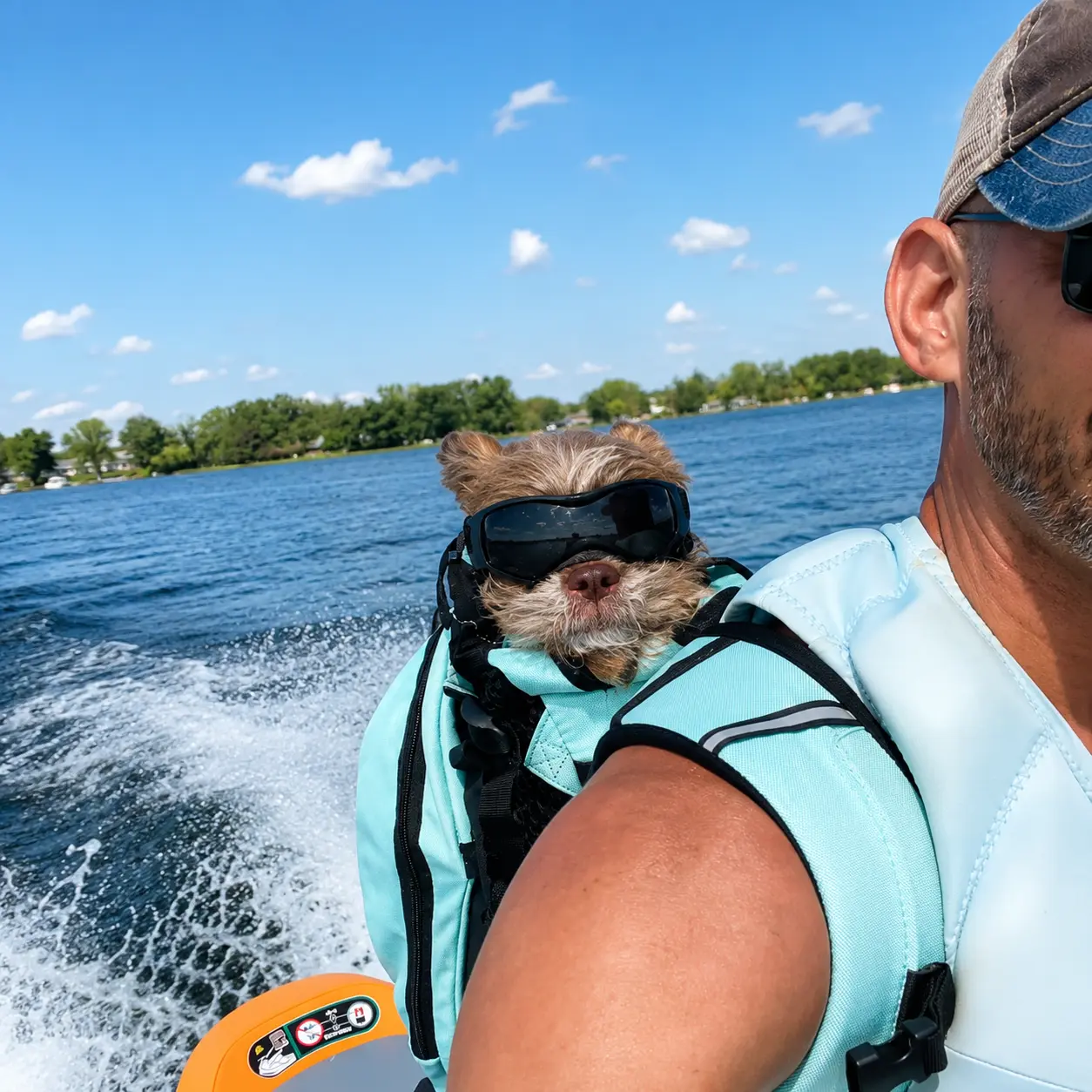
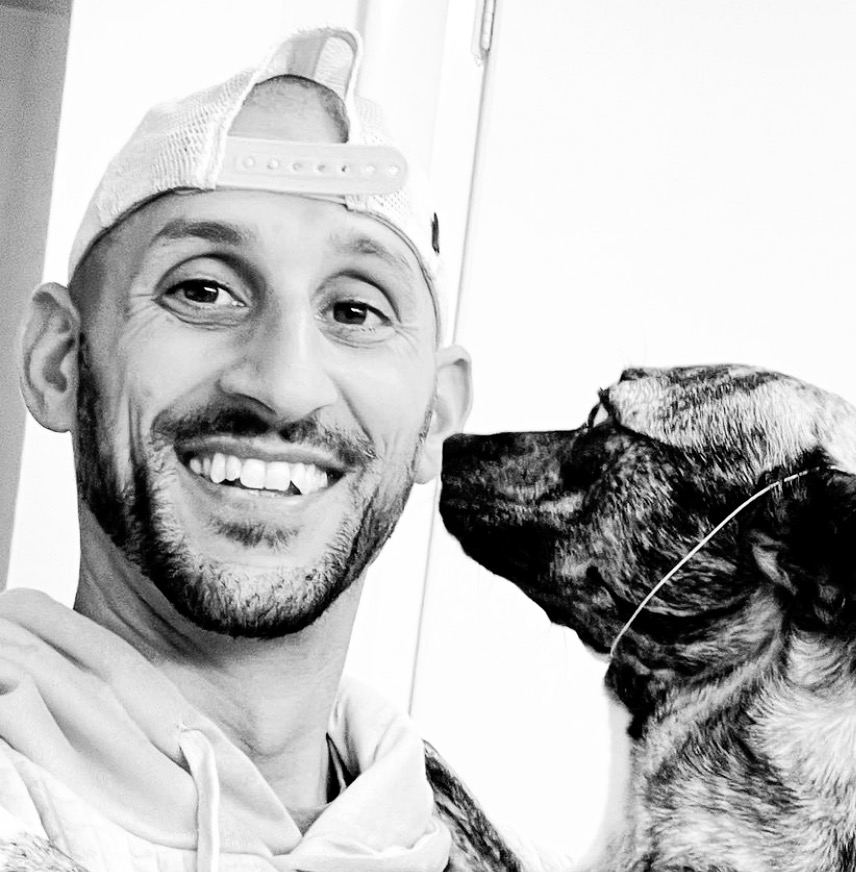
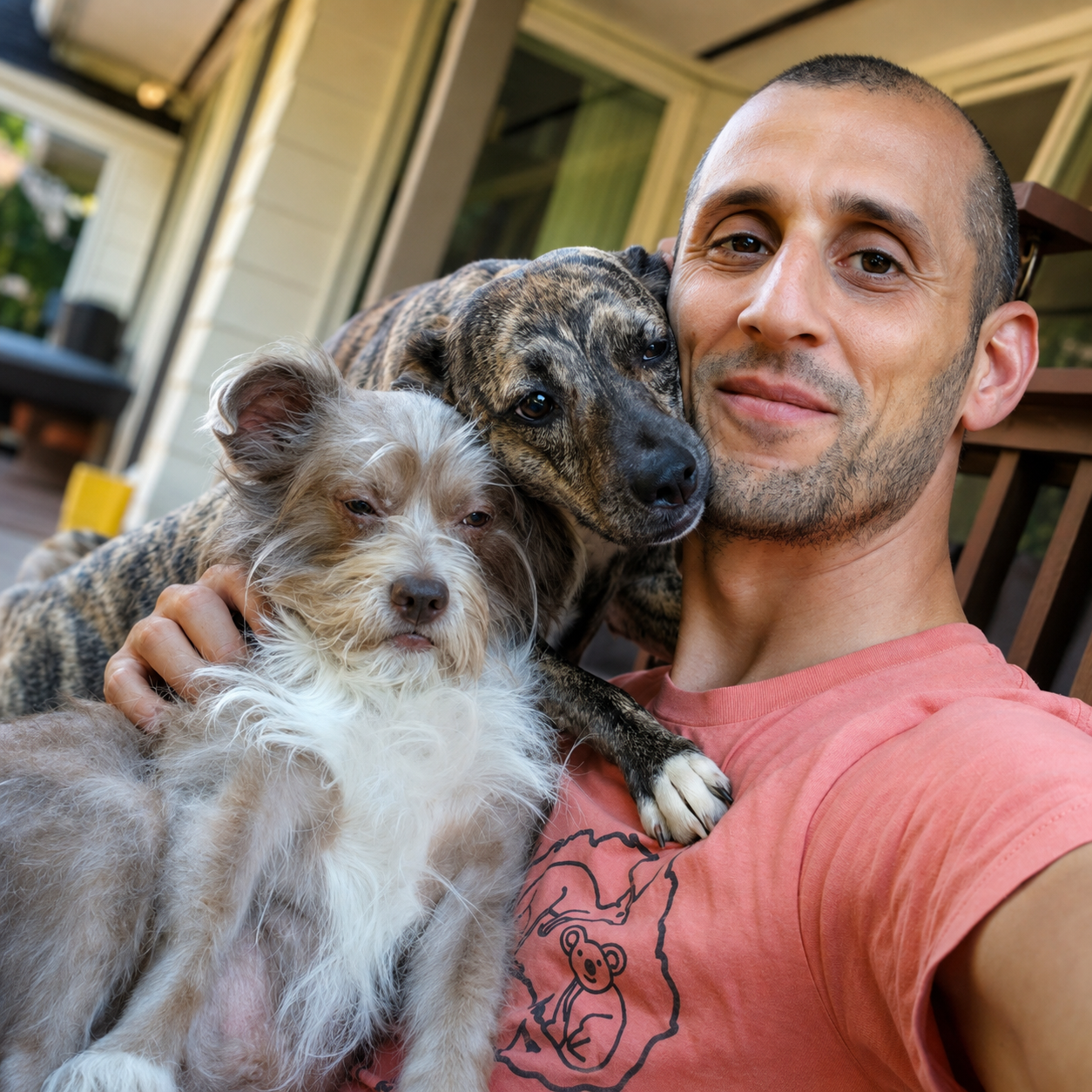
Over the last several years, Joseph shifted more of his time toward projects with higher-priority community outcomes. That has included contract work rehabilitating outdated and distressed properties throughout the area, but it has also created considerably more time for rescue animals—especially his own adopted pets, whose expectations for attention have become decidedly non-negotiable.
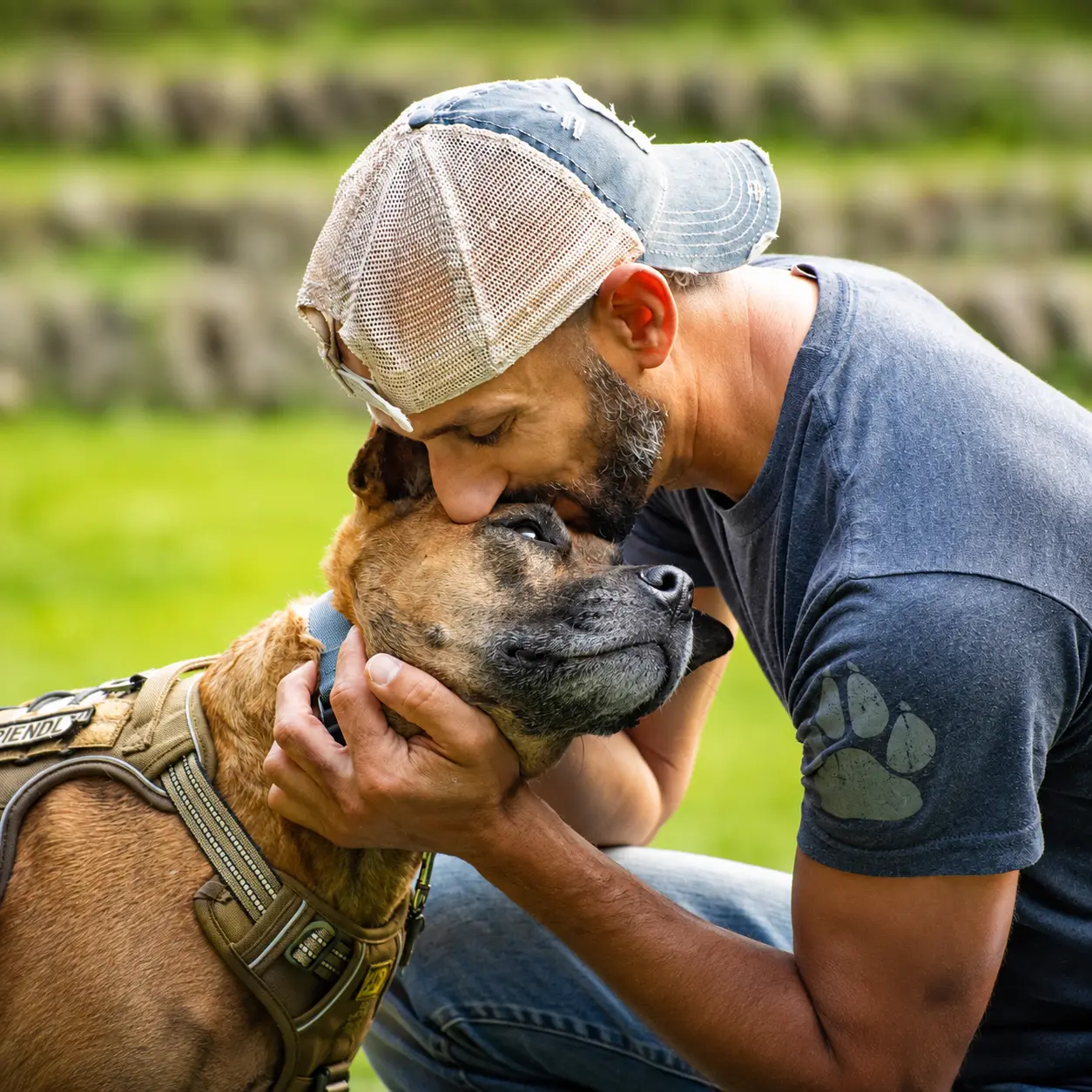
For Joseph, earning a paycheck has always been partially about having the ability to save more animals. What changed over time was the realization that the professional tools he had spent years developing could be applied to something much larger than individual rescue cases.
- Digital marketing could improve visibility.
- Risk management could identify problems before they became crises.
- Recreation could create natural engagement.
- Partnerships could expand capacity without unnecessarily duplicating infrastructure.
And animal welfare could become something people encountered as part of everyday community life—not only after an animal was already in trouble.
That became the foundation for Syracuse Recreation & Rescue.
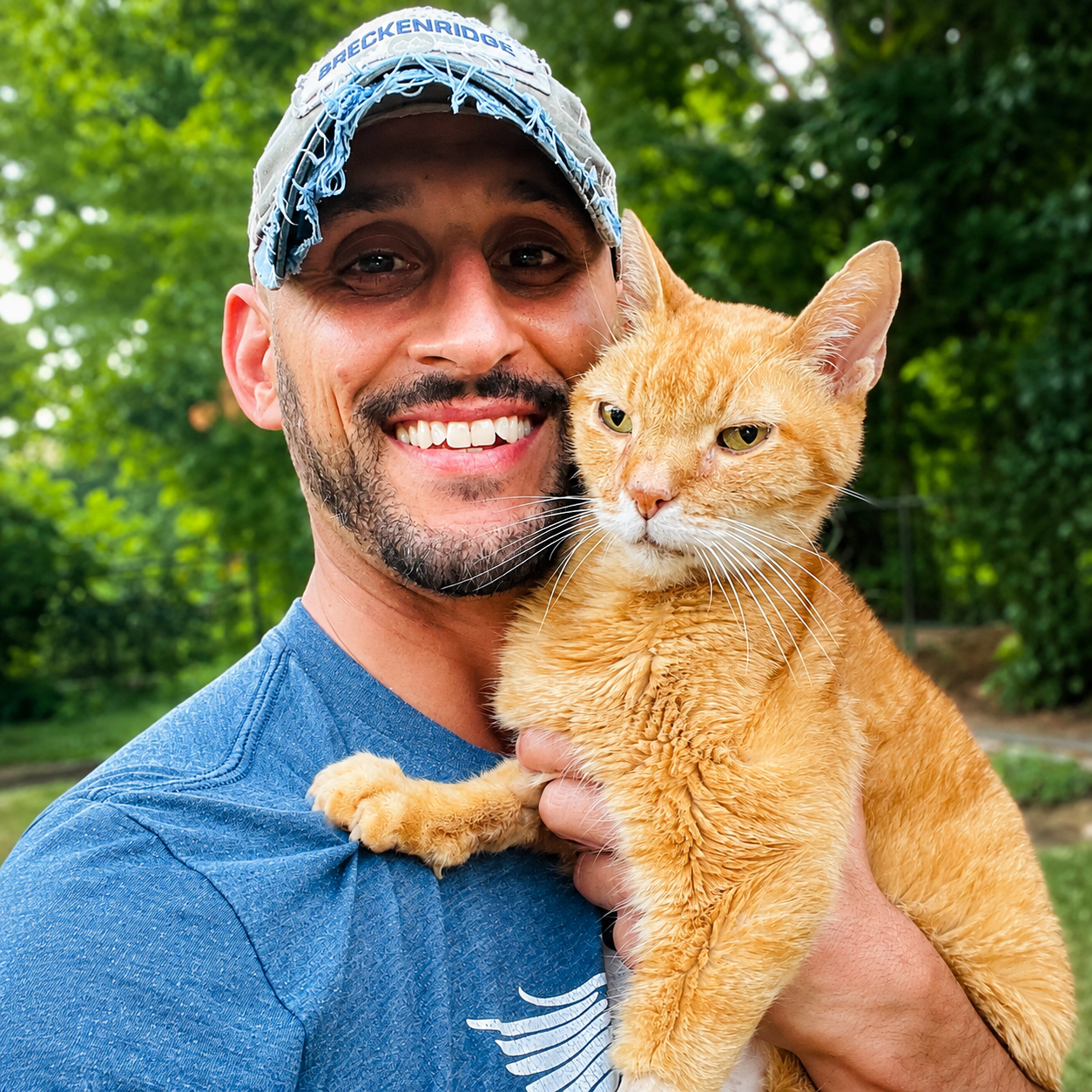
Skip Jones
≈ $20,000
TO SAVE ONE RESCUE CAT.
The math we get wrong
WHAT ONE SECOND CHANCE REVEALED
Skip Jones should probably never have survived.
Without crowdfunding, persistence and an extraordinary network of people willing to help, he may never have been admitted to an emergency veterinary center, much less made it home.
But he did.
Skip made a remarkable recovery because people refused to accept the alternative.
In another case, approximately $3,000 was required to remove a dog from a scheduled euthanasia and place him into behavioral training. The dog had been labeled a problem. In reality, he appeared to be heartbroken, overwhelmed and badly misunderstood.
Given time, structure and another opportunity, he became a wonderful companion to a member of our community who lived alone. He spent the next several years providing companionship, protection, affection and memories that could never be measured on an invoice.
Both animals lived full lives.
Every dollar invested in them came back in another form.
And that is part of what conventional animal-welfare math often misses.
We tend to evaluate the economics of rescue at precisely the wrong moment: after the animal is already sick, homeless, frightened, surrendered, injured or facing euthanasia.
By then, every option is more difficult and more expensive.
SRR believes the smarter investment begins earlier.
Crisis Response
- 01Emergency
- 02Fundraising
- 03Veterinary intervention
- 04Recovery
Earlier Intervention
- 01Access
- 02Prevention
- 03Support
- 04Better outcomes
The economics of animal welfare change when we intervene before the emergency.
- Greater access to affordable veterinary care helps prevent surrender.
- Greater visibility helps shorten shelter stays.
- Natural interaction improves socialization and adoption opportunities.
- Temporary support can keep animals with families experiencing financial hardship.
- Spay and neuter access reduces future intake.
- Better coordination prevents individual rescuers and shelters from carrying impossible burdens alone.
Prevention is not only more humane.
It is often more cost effective.
Systems, not silos
The problem is bigger than the shelter
No single person, rescue organization, shelter or government agency can solve animal-welfare issues alone.
Wholesale change requires a network.
Animal welfare intersects with housing, poverty, public safety, veterinary access, mental health, domestic violence, transportation, land use, recreation and municipal government. When one part of that system fails, animals frequently become the collateral damage.
That is why simply building more cages cannot be the entire answer.
Syracuse needs shelter capacity.
But it also needs ways to reduce intake, increase placement, improve veterinary access, create visibility and shorten the amount of time animals remain confined.
SRR is attempting to bridge those gaps by connecting animals and people with government, nonprofit and private-sector resources—and delivering help where and when it is needed.
The goal isn’t to build a better place for animals to wait.
The goal is to create more ways out.
Documented record
Messy politics. Real consequences.
Animal welfare should not depend on personalities, political relationships or organizational silos.
For more than two years, SRR has explored opportunities to create an animal-welfare service partnership with local government.
The premise has remained straightforward: combine public support and accountability with the agility, specialized expertise and partnership opportunities available outside traditional municipal operations.
The need for a different approach is not theoretical.
In May 2026, Syracuse City Auditor Alexander Marion reported that the city did not have a shelter meeting New York’s new companion-animal shelter standards. B&R Bunkhouse, the City’s contracted provider, was reported to accommodate approximately 30–35 dogs, and the report identified 10 kennel spaces available to the City at Second Chance. The Auditor also reported that Syracuse had four dog-control officers, down from six in 2019.
In 2025 alone, Syracuse Police reportedly picked up 232 stray dogs and seized 345 animals in cruelty cases.
232
Stray dogs reportedly picked up in 2025
345
Animals seized in cruelty cases, 2025
4
Dog-control officers, down from six in 2019
~30–35
Dogs at B&R Bunkhouse, reported holding capacity
Those numbers illustrate something animal advocates already know:
- Demand can exceed available capacity very quickly.
- When every kennel is occupied, a resident finding a stray animal may have nowhere to bring it.
- When veterinary care is unaffordable, treatable problems become emergencies.
- When staffing is inadequate, response times suffer.
- And when animals remain hidden from the public, opportunities for adoption and community support disappear with them.
Delays in animal welfare have consequences that cannot always be reversed.
The capacity challenge extends beyond kennels
Syracuse’s animal-welfare capacity challenge does not exist in isolation. It is unfolding alongside broader staffing and recruitment pressures across municipal public safety.
At the end of 2009, the Syracuse Police Department reported 499 sworn officers. In April 2025, the Syracuse City Auditor reported approximately 387 actual officers against 423 budgeted positions.
More directly related to animal welfare, the decline in Syracuse dog-control staffing from six officers in 2019 to four is documented above.
Together, these numbers provide important context. A municipal animal-welfare system depends on much more than a building. Animals must be located, retrieved, transported, investigated, processed, cared for and supported—sometimes outside conventional business hours and often under difficult circumstances.
This is not a criticism of the officers or employees doing that work.
It is a capacity question.
When a municipality is already operating with staffing constraints, proposals that add specialized, around-the-clock responsibilities deserve careful scrutiny—particularly when qualified public, private and nonprofit partnerships may be able to expand service capacity without requiring government to build and operate every component internally.
Government does not have to perform every function itself to remain accountable for the outcome.
499
Sworn SPD officers
December 2009
≈387
Actual SPD officers
April 2025
423
Budgeted SPD positions
FY26 budget analysis
4
Dog-control officers
Down from 6 in 2019
Animal-welfare infrastructure depends on more than buildings. It depends on having enough people to respond.
Sources: Syracuse Police Department 2009 Annual Report (499 sworn officers as of December 31, 2009); Syracuse City Auditor, April 2025 FY26 budget analysis (approximately 387 actual officers vs. 423 budgeted).
Chronology
How we got here
SRR did not begin by trying to compete with existing animal-welfare organizations.
It began by trying to connect them.
- SRR Initiative
- Government / Public Record
- Animal Welfare Community
Walsh administration · SRR Initiative
An early partnership attempt
According to SRR's account of the process, Joseph previously worked to help facilitate a service partnership involving the City of Syracuse and CNY SPCA. That opportunity ultimately did not move forward.
2024 · SRR Initiative
The Inner Harbor vision goes to City Hall
SRR presented City Hall with a vision centered on a highly visible animal-welfare and recreation hub near Syracuse's Inner Harbor, supported by satellite and overflow locations throughout the county.
2025 · Government / Public Record
A municipal shelter concept on Spencer Street
The City pursued a municipal shelter concept at the Parks and Recreation campus on Spencer Street. Common Councilors raised questions about the site and operating plan, votes were repeatedly tabled, and the administration ultimately withdrew the legislation while saying it intended to continue pursuing a shelter.
2025 · Government / Public Record
Demand outpaces capacity
In 2025 alone, Syracuse Police reportedly picked up 232 stray dogs and seized 345 animals in cruelty cases.
January 2026 · Animal Welfare Community
Walkout at CNY SPCA
CNY SPCA employees and volunteers staged a walkout alleging animal neglect, unsafe conditions and organizational problems. The organization's board subsequently announced its resignation and transition to new leadership.
May 2026 · Government / Public Record
The City Auditor reports on shelter capacity
Syracuse City Auditor Alexander Marion reported that the city did not have a shelter meeting New York's new companion-animal shelter standards.
2026 · Government / Public Record
A new potential site on Burnet Avenue
A new potential site emerged on Burnet Avenue near Thompson Road. Preliminary plans discussed publicly contemplate approximately 60–70 dogs.
2026 · SRR Initiative
Conversations at the County level
SRR began conversations at the County level, including meetings with the Onondaga County Executive and COR Development, to explore potential opportunities. Those conversations remain open.
Original SRR Vision — November 2024
This presentation reflects the original concept presented in 2024. Locations, timelines, partnerships, operating assumptions and proposed capacity have continued to evolve as Syracuse Recreation & Rescue has developed.
Resilience
When governance fails, animals feel it
SRR’s concerns about relying too heavily on individual institutions or political relationships were reinforced by events elsewhere in the local animal-welfare system.
In January 2026, CNY SPCA employees and volunteers staged a walkout alleging animal neglect, unsafe conditions and organizational problems. The organization’s board subsequently announced its resignation and transition to new leadership. Former Board President Monica Williams denied allegations of neglect while acknowledging staffing concerns.
SRR does not present those events as proof of every disagreement that preceded them.
They do, however, illustrate a larger point: animal-welfare infrastructure must be resilient enough to survive leadership changes, political disagreements, financial pressure and organizational instability.
- Animals cannot choose another provider.
- They cannot attend a Common Council meeting.
- They cannot call a reporter.
- They cannot wait for organizations to repair relationships.
Our systems therefore have an obligation to work even when the people inside those systems do not.
The numbers
Capacity, cost and common sense
Building a shelter is not the same thing as building an animal-welfare system.
Syracuse unquestionably needs more kennel capacity.
The more important question is how that capacity should be created, operated, funded and connected to services that ultimately move animals back out of it.
In 2025, the City pursued a municipal shelter concept at the Parks and Recreation campus on Spencer Street. Common Councilors raised questions about the site and operating plan, votes were repeatedly tabled, and the administration ultimately withdrew the legislation while saying it intended to continue pursuing a shelter.
In 2026, a new potential site emerged on Burnet Avenue near Thompson Road. Preliminary plans discussed publicly contemplate approximately 60–70 dogs.
The City Auditor has recommended a facility with at least 80 kennels.
SRR’s previously proposed model contemplated securing a minimum of 100 kennels for municipal shelter animals, with a network capable of expanding toward 300 or more spaces over time as partnerships, facilities and programming developed.
Current, recommended & proposed capacity
Second Chance
10 kennel spaces
CITY-ACCESSIBLE CAPACITY IDENTIFIED IN MAY 2026 AUDITOR REPORT
B&R Bunkhouse
≈30–35 dogs
Reported holding capacity, City-contracted provider
Proposed Burnet Avenue FacilityProposed
≈60–70 dogs
Preliminary planned service capacity
City Auditor Recommendation
80+ kennels
Recommended municipal facility
SRR Proposed Partnership ModelProposed
100+ municipal spaces initially
Proposed SRR model — not existing capacity
SRR distributed network, over timeProposed
Scalable toward 300+ across a distributed network
Proposed SRR model — not existing capacity
SRR figures reflect a proposed partnership model. Syracuse Recreation & Rescue does not currently own or operate 100–300 kennels.
More kennels help manage a crisis. Prevention, visibility, veterinary access and faster placement help shrink the crisis.
That difference matters.
But capacity alone is still not enough.
A modern animal-welfare operation must account for:
- veterinary care
- staffing
- behavioral support
- sanitation and regulatory compliance
- transportation
- adoption and foster programs
- exercise and enrichment
- spay and neuter access
- owner-retention programs
- emergency boarding
- community outreach
- volunteer engagement
- fundraising
- visibility
- and the cost of every additional day an animal remains in the system
A city-owned building places many of those risks directly onto taxpayers whether the facility is operating efficiently or not.
A strong service partnership can distribute those responsibilities among organizations already equipped to perform them while tying public cost more closely to actual services and demand.
SRR believes the community deserves a serious comparison between those models before committing permanently to one approach.
The question is not whether Syracuse can build a shelter.
The question is whether we can build a better system.
The model
Private-sector agility. Public-purpose outcomes.
SRR’s model is intended to create capacity while simultaneously reducing the forces that create shelter demand.
That means increasing access to preventative veterinary care.
It means providing temporary assistance when keeping an animal with its existing family is safer and less expensive than surrender.
It means using recreation and community events to increase exposure.
It means building relationships with multiple shelters, municipalities, veterinarians, businesses, nonprofit organizations and recreation providers so that one organization reaching capacity does not bring the entire system to a stop.
And it means designing facilities and partnerships that can expand when demand increases rather than beginning again with another construction project.
Government does not need to perform every function itself to remain accountable for the outcome.
Sometimes good government means identifying qualified partners, setting high standards, measuring performance and allowing specialized organizations to do what they do best.
Forward
SRR is moving forward
In 2026, SRR began conversations at the County level, including meetings with the Onondaga County Executive and COR Development, to explore potential opportunities.
Those conversations remain open.
The Inner Harbor concept that helped launch SRR may ultimately be affected by changing land availability and years of delay. The specific location may change.
The mission does not.
It has also become increasingly clear that Syracuse Recreation & Rescue cannot condition its future on securing an immediate contract with the City of Syracuse.
So SRR is moving forward.
The City remains welcome to join that effort at any time.
So does every municipality in Central New York interested in exploring a more collaborative model.
SRR’s purpose is not to prevent government from helping animals.
It is to ensure that government—and the community it represents—understands that there are more options available than simply constructing another conventional shelter and hoping demand does not exceed capacity.
- We can build partnerships.
- We can create visibility.
- We can intervene earlier.
- We can make veterinary care easier to access.
- We can create more opportunities for foster and adoption.
- We can use recreation to connect people and animals naturally.
- We can distribute capacity.
- We can measure outcomes.
- And we can scale.
SRR is driven by the beauty and benefits of animals—and by what becomes possible when people work together to challenge the status quo.
Urgency
Animals cannot afford to wait
We are not interested in spending years repeating an approach in which animals are selectively helped, repeatedly displaced or confined with too few opportunities to leave.
Syracuse Recreation & Rescue is both a passionate plea and a practical attempt to change the way our community thinks about animal welfare.
The challenges are complicated.
The premise is not.
- Animals deserve visibility.
- Families deserve access to help before they reach a crisis.
- Rescuers deserve infrastructure that does not require them to perform miracles every day.
- Taxpayers deserve efficient and transparent use of public resources.
- And shelter animals deserve more than a cage and a countdown.
Considering the intricacies of rescue, the limited accessibility of affordable veterinary care and the well-established value of animal companionship, pairing animals with people while creating access to cost-effective support should be straightforward.
Too often, it isn’t.
Animal advocates instead encounter a logistical and legislative maze in which available space, funding, transportation, veterinary care and organizational boundaries determine whether an animal gets another chance.
SRR exists to help change that.
Not someday. Now.
About Joseph
THE FOUNDER BEHIND THE MISSION
Joseph holds degrees in Mechanical Engineering and Public Policy from Rochester Institute of Technology and has served as a volunteer, board member and co-chair with organizations and initiatives spanning animal services, urban planning, healthcare, youth services, law enforcement and political campaigns.
Those experiences helped shape an approach to SRR that views animal welfare not as an isolated charitable cause, but as part of a broader community system.
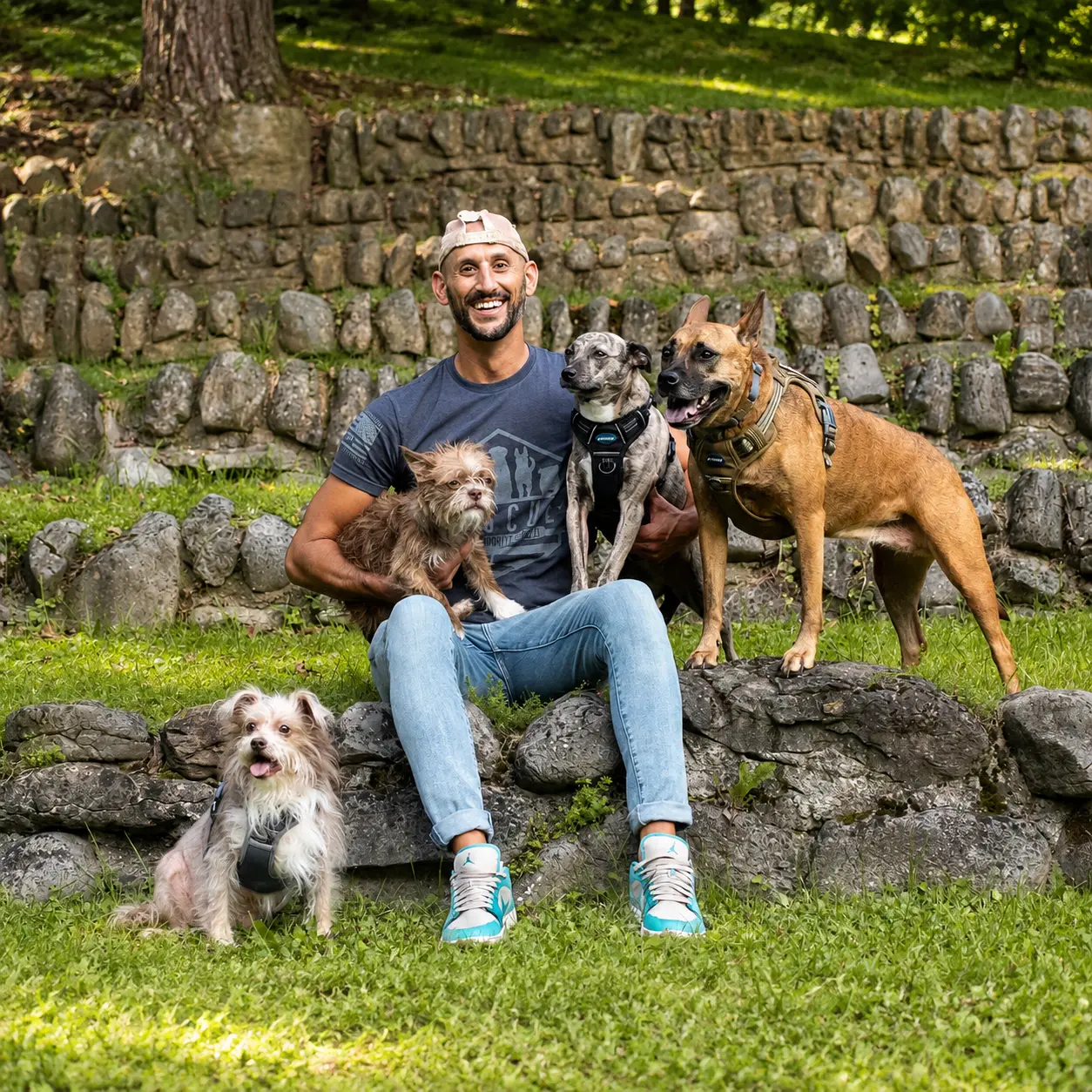
And behind the policy papers, proposals, meetings, budgets and partnerships are the animals who made the mission personal in the first place:
- Alex Jo, 14
- Isla Roo, 7
- Alli Rae, 7
- Elli Mae, 2
And the late—but still great—Skip Jones, age unknown.
They are a daily reminder of what Syracuse Recreation & Rescue is ultimately trying to protect.
Play with purpose.